

Get quote
Get Free Consultation!
We are ready to answer right now! free consultation.
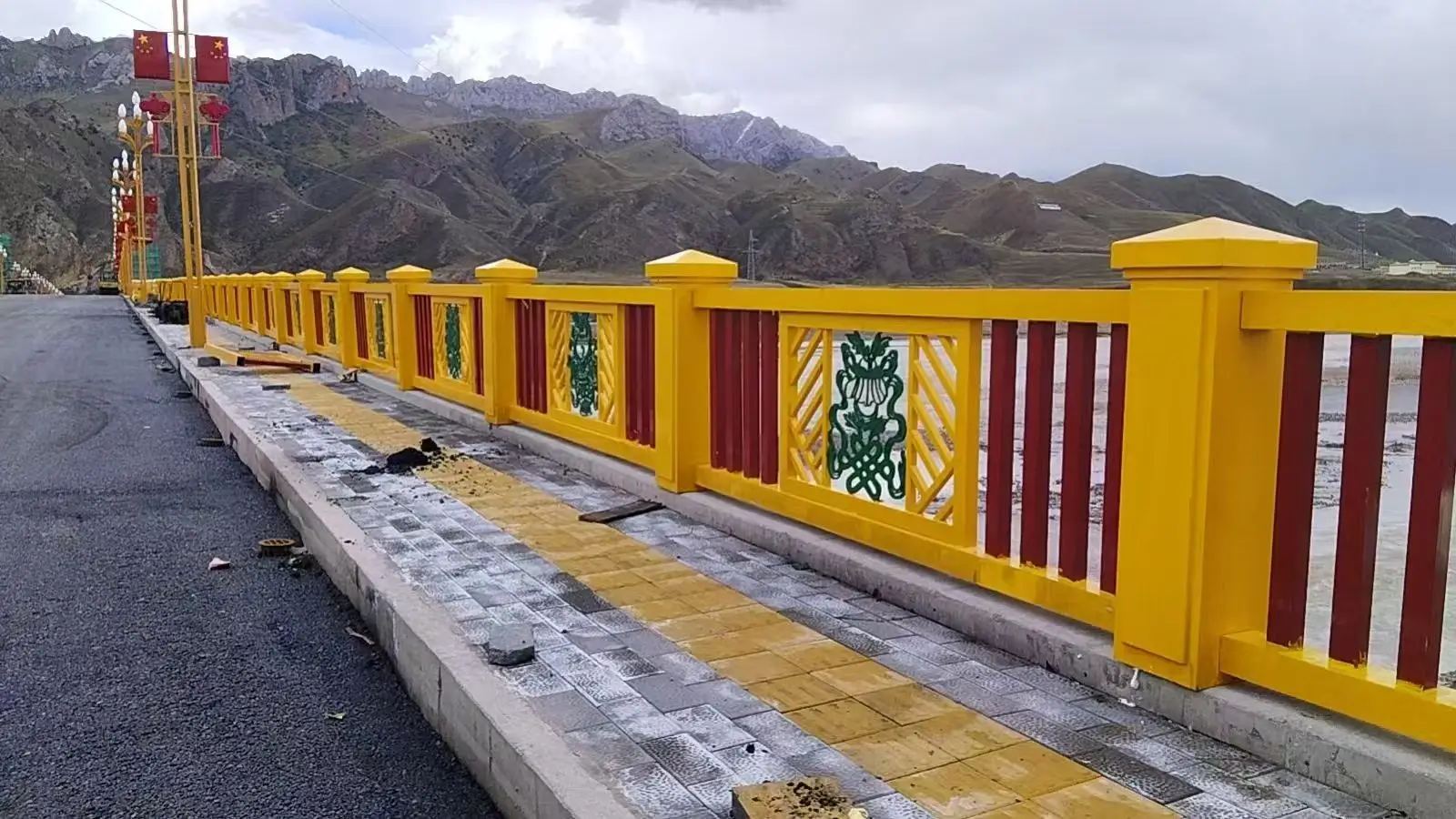
A bridge railing supplier should help buyers review the railing line, the approach barrier and the transition area together. A bridge edge is not the same as a standard roadside guardrail run. Contractors and engineering buyers need to confirm railing type, steel tube or panel structure, post connection, galvanized finish, approach guardrail, terminal parts and packing method before production. Beitong Hengda Traffic’s current product range includes bridge railings, W-beam guardrails, Thrie-beam guardrails, low-deflection safety barriers, crash cushion parts and custom metal components, so bridge railing procurement can be planned as part of a wider road safety package.
The first buyer question is where the bridge railing sits in the project. A roadway bridge edge, a pedestrian bridge, a riverside rail and a bridge approach transition do not ask for the same product behavior. Some sections need continuous edge protection. Some need a connection to W-beam or Thrie-beam guardrail. Some need visible railing for public walkways. The supplier comparison should begin with that zone map, not with a generic railing price.
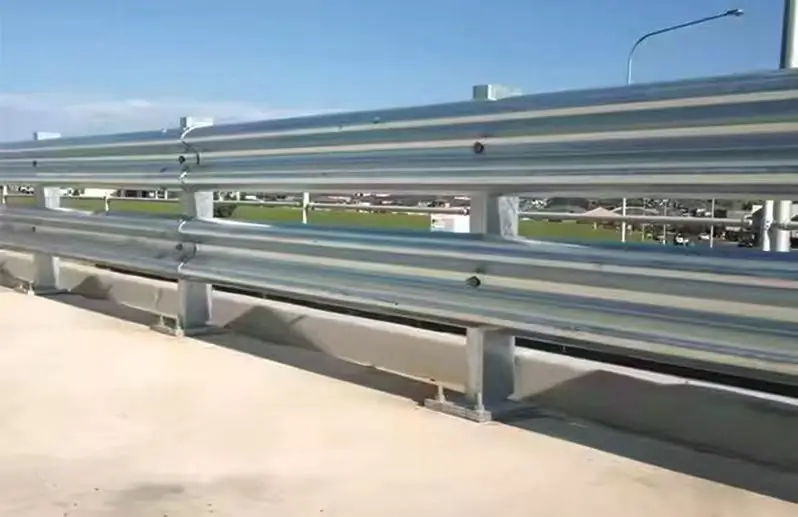
Bridge railing is often purchased as a visible product, but its success depends on what happens beside it. The railing may need to connect with approach guardrail, fit around bridge posts, match a deck edge or sit near a pedestrian path. If the buyer asks only for railing length, the supplier cannot judge whether W-beam, Thrie-beam, terminal ends or special fittings are part of the same decision.
Beitong Hengda Traffic shows bridge railings and steel tube bridge safety barrier imagery in its media library and product range. For this type of order, the buyer should define railing section, post detail, base connection, surface finish and whether the rail is for vehicle-side protection, pedestrian guidance or a mixed public area. A steel tube railing can look simple, but fabrication depends on hole location, member length and connection detail. Those should be confirmed before production rather than adjusted on the bridge deck.
A contractor replacing older bridge railing should send photos of the deck edge, post connection and nearby approach barrier. A new railing that does not match the approach section can create installation work that was not priced. A supplier can help only when the buyer shares the local condition early.
Bridge approaches often include W-beam or Thrie-beam guardrail. The buyer should decide whether the bridge railing order includes transition parts, terminal ends, special brackets or low-deflection barrier sections. If those parts are ordered later from another channel, the connection may become the weak point in the purchasing process. Beitong Hengda Traffic’s road safety range gives buyers a way to discuss bridge railing, guardrail and special parts together.
Bridge railing selection should be divided by zone. A road bridge edge may prioritize strength, continuity and connection to approach barriers. A riverside pedestrian bridge may prioritize visible finish, railing height and public-area durability. A narrow approach may require a compact barrier route. These zones can exist in the same project, so the supplier should be able to discuss more than one product type without mixing their functions.
Roadway bridge railings should be reviewed with the approach guardrail and traffic exposure in mind. Riverside or park railings may be closer to pedestrian guardrails or public-area railings in function. The Beitong Hengda Traffic product range includes bridge railings, river channel railings, pedestrian guardrails and wire mesh fence, so buyers should choose the product family by the actual edge condition. A decorative public railing should not be treated as a highway approach barrier, and a highway guardrail should not be used as a city walkway rail simply because it is available.
Some bridge approaches or narrow road sections do not leave much lateral space. In those cases, low-deflection safety barriers, special formed parts or crash cushion components may need to be reviewed with the railing. The buyer should not wait until installation to discover that a standard product layout needs more room than the site has. If working width is restricted, include that information in the first supplier brief.
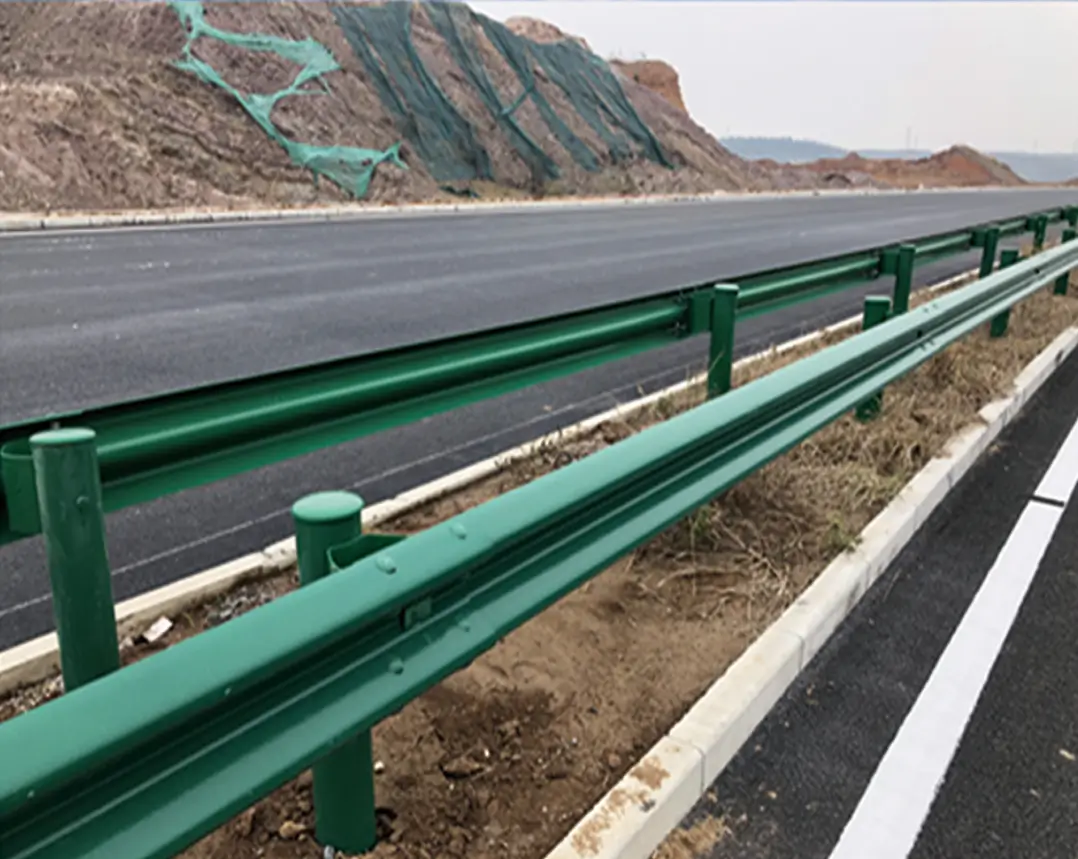
Factory inspection for bridge railing should match the product. For steel tube railing, check member length, weld or fabrication quality, post connection, surface condition and accessory grouping. For guardrail transitions, check beam profile, hole pattern, connection hardware and terminal parts. For public-area railing, check visible finish and panel consistency. A generic inspection note is not enough; the inspection should follow the bridge zone and the product family.
Beitong Hengda Traffic lists galvanized finish options and packing support. For bridge railing orders, grouping is part of quality control. Long railing sections, posts, bolts, base plates, brackets and approach guardrail parts should be packed so the receiving team can identify them by section. If the railing parts and guardrail transition parts are mixed without labels, the site team may lose time sorting similar-looking hardware.
Bridge railing is often visible after installation, so handling damage matters. The buyer should ask how long parts will be bundled, how coated or galvanized surfaces will be protected and whether small hardware will be boxed separately. Photos before loading are useful because the purchasing team may not be present at the factory. They create a simple record of bundle condition, accessory grouping and loading order.
Not every bridge railing order is a new-build project. Many buyers are repairing damaged bridge edges, widening an approach, replacing corroded rail sections or matching new guardrail to an older structure. These jobs need a supplier conversation that starts with the existing bridge condition. Photos of the deck edge, post base, old railing height, approach guardrail and nearby pedestrian area help the supplier understand whether the order needs bridge railing only or a broader road safety package.
Older bridges often contain local details that do not match a current standard product list. A base plate may need a different hole position, a post may need a special connection, or the approach guardrail may need a fabricated transition bracket. Beitong Hengda Traffic lists special shaped parts and custom metal components, which are relevant when the buyer cannot solve the job with a standard bridge railing section alone. The buyer should still avoid treating this as a promise for every detail; drawings and dimensions are needed before fabrication.
A bridge on a public walkway may need a railing that guides pedestrians and resists weather exposure. A highway bridge approach has a different safety role and may connect to W-beam or Thrie-beam guardrail. A buyer comparing these orders should not use one phrase for both. The road safety product range gives several possible routes, but the correct route depends on whether the bridge serves vehicles, pedestrians, maintenance access or a mixed public area.
When a bridge approach is widened, the railing line and roadside barrier line may both change. The buyer should review W-beam guardrail, Thrie-beam transition sections, bridge railing and terminal ends before approving production. It is safer to discuss these products in one project supply file than to order railing first and discover later that the approach guardrail cannot connect cleanly.
Bridge repair orders often mix old and new material. The buyer may reuse part of the existing railing, replace only damaged steel tube sections, add new posts or rebuild the approach guardrail at the same time. The supplier needs to know which parts remain on site and which parts must be fabricated. A short reuse note can prevent the factory from assuming a complete new railing line when the project actually needs a partial repair package.
For public road repairs, the receiving team should also understand the sequence. Bridge railing sections, base plates, post hardware, W-beam approach parts and Thrie-beam transition pieces should not arrive as one unmarked metal bundle. If the bridge remains partly open during maintenance, the crew may need to install the railing section first and the approach guardrail later. Packing and labels should follow that work order.
The same logic applies when the buyer is a distributor supplying several contractors. Bridge railing parts should be separated from general guardrail stock because the receiving contractor may need connection details, not only linear meters. If the order includes steel tube railing, W-beam approach guardrail, Thrie-beam transition pieces and terminal ends, each group should be described by use position. That makes the shipment easier to divide between bridge crews and roadside crews after arrival.
For a repair crew, the most useful packing record is not a decorative document. It is a plain sequence showing which bridge railing parts install first, which approach guardrail parts connect next and which small hardware boxes must stay with each section. That sequence helps the buyer avoid opening every package on a narrow bridge work area.
A bridge railing order should include related products when the bridge edge connects directly to a road safety system. This may include W-beam guardrail for the approach, Thrie-beam for a transition, terminal ends, crash cushion parts or custom brackets. The buyer should not add these items as an afterthought. They should be reviewed with the bridge railing drawings so the connection is understood before fabrication.
A bridge approach package may combine several product families. W-beam can serve a standard approach run. Thrie-beam can appear in transition areas. Bridge railing protects the deck edge. Terminal ends or crash cushion parts may handle start or end conditions. A buyer who describes the full approach allows the supplier to separate products by function and pack them logically. That is more useful than buying bridge railing today and trying to solve the approach barrier later.
| Bridge project area | Product family to review | Supplier question to ask |
|---|---|---|
| Deck edge | Steel tube bridge railing or bridge rail system | How are posts, base connections and visible surfaces checked? |
| Road approach | W-beam or Thrie-beam guardrail | How does the rail connect to the bridge section? |
| Restricted end or shoulder | Low-deflection barrier, crash cushion or special parts | What working width and hardware details must be confirmed? |
The best bridge railing supplier conversation ends with a clear section map. It should show railing type, approach barrier type, transition products, hardware groups, finish requirement and packing order. For Beitong Hengda Traffic, buyers can begin with the bridge railing product group, then compare W-beam, Thrie-beam, crash cushion parts and project supply support. The goal is a bridge package that arrives ready for the installation sequence, not a set of unrelated metal products that has to be reorganized on site.
