

Get quote
Get Free Consultation!
We are ready to answer right now! free consultation.
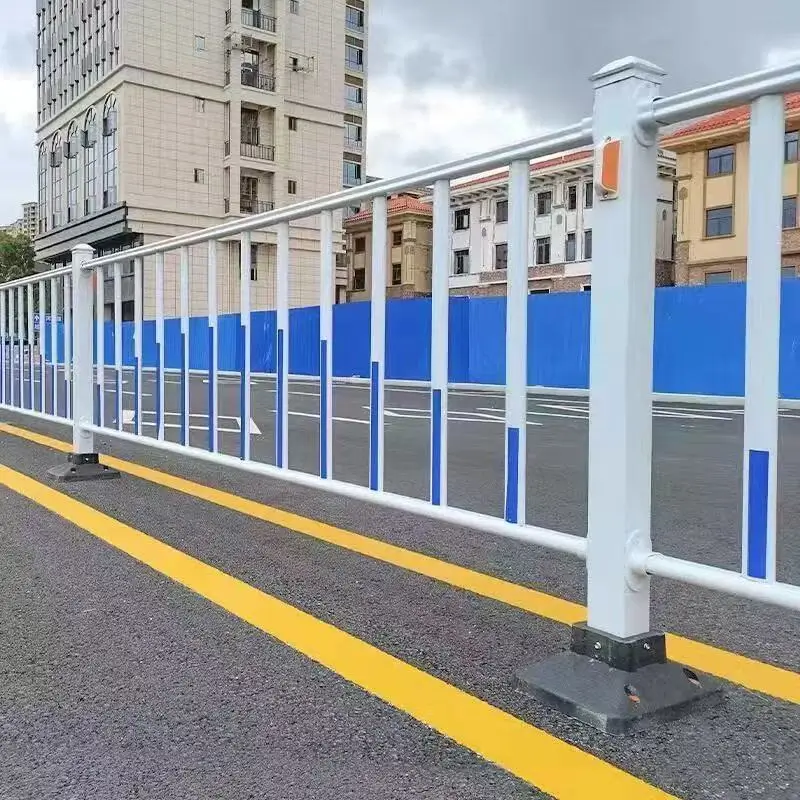
bridge guardrail buyers usually need more than a single beam panel. A road safety order becomes reliable only when panels, posts, spacers, terminal pieces, bolt sets, coating requirements and packing are checked as one system. Beitong Hengda Traffic manufactures wave-beam guardrails and related galvanized steel products for contractors, distributors and infrastructure buyers that need consistent production rather than loose commodity purchasing.
For this buying situation, the first decision is not simply the visible rail shape. The buyer should decide where the barrier will be used, how much deflection space is available, what corrosion exposure the road has, and whether the shipment must include spare accessories for later maintenance. That is why bridge railing, Thrie-beam guardrail, W-beam guardrail, transition sections and related hardware are discussed together in the sections below.
This checklist is simple, but it prevents the most common buying problem: comparing offers that do not include the same product scope. A complete guardrail order may look more expensive than panel-only pricing, yet it is often cheaper once installation time, missing accessories and emergency reordering are considered.
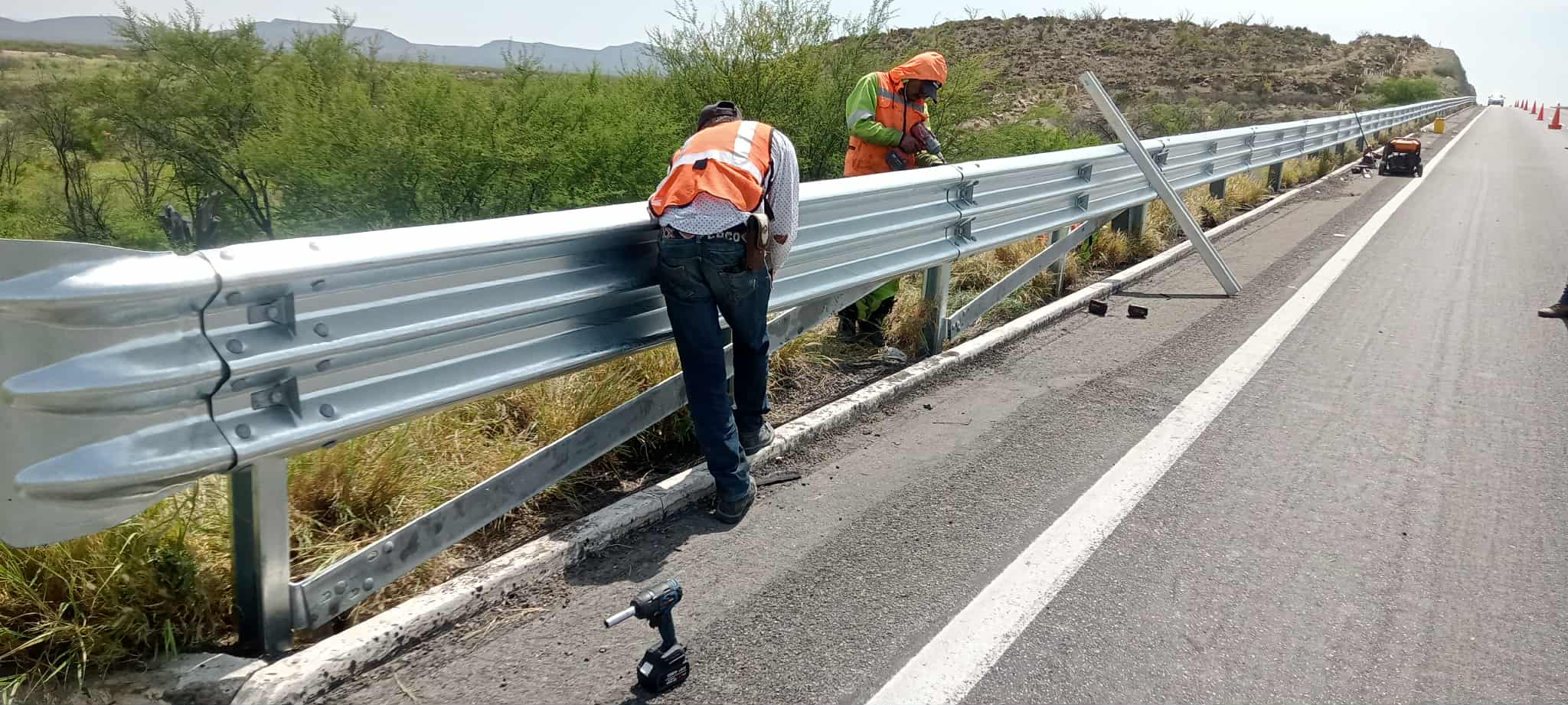
The core product choice starts with bridge railing. For standard long roadside runs, W-beam guardrail panels provide a familiar two-wave profile that is easy for contractors to install and maintain. For higher-risk areas, Thrie-beam guardrail may be selected because the three-wave form gives wider rail coverage and is often used near bridges, curves or transition zones.
Posts and accessories should not be treated as an afterthought. W-beam guardrail, transition sections, steel tube barrier, galvanized posts determine whether the barrier can be installed at the planned height and whether the site crew can complete the run without waiting for missing hardware. A factory order can be arranged as panel-only stock, a complete project package, or a mixed container with guardrail, posts, sign structures and custom galvanized fittings.
hot-dip galvanized bridge railing and three-wave transition are useful reference points when the buyer needs a clear standard. The panel profile, hole spacing, steel thickness, zinc coating and bolt pattern should all follow the drawing or tender file. If the project is a replacement job, it is especially important to check whether the existing road uses two-wave beam, three-wave beam or a transition connection between both.
| Product choice | Best fit | Watch before ordering |
|---|---|---|
| bridge railing | bridge edge protection | hot-dip galvanized bridge railing |
| Thrie-beam guardrail | approach transitions | three-wave transition |
| W-beam guardrail | beam support and height control | post length, hole location and coating |
| transition sections | beam-to-post offset and alignment | bolt pattern and system compatibility |
| steel tube barrier | starts, ends and transition areas | direction, connection and accessory count |
For bridge decks, approach roads, culverts, transition zones and elevated roadside sections, the buyer should build the order from the road condition outward. A long straight highway can often use repeated W-beam panels, matching posts, spacers and standard terminal ends. A bridge approach may require Thrie-beam or transition panels. A city section may include pedestrian guardrail or zinc steel fencing, while a dangerous bend may need a roller barrier system.
The same factory channel is useful when the project mixes products. Beitong Hengda Traffic can support guardrail panels, sign posts, bridge railings, power tower steel, galvanized sheets and custom formed parts. For buyers, this reduces the work of coordinating separate suppliers for every metal item while still keeping the road safety package focused on the drawing.
Quality control should be visible enough for the buyer to understand what has been checked. For guardrail panels, useful inspection points include profile shape, panel length, hole alignment, edge condition, zinc coating appearance and coating thickness. For posts and accessories, the buyer should check hole position, welding or forming quality, galvanizing coverage, quantity and packing labels.
The shipment should be reviewed as an installable set. If the order includes bridge railing, Thrie-beam guardrail, W-beam guardrail, transition sections, steel tube barrier, galvanized posts, the packing list should separate panels, posts, spacers, terminal ends and bolt packages clearly. Photos of bundles, labels, accessory cartons and loading sequence help overseas buyers receive the goods without confusion. For replacement jobs, the buyer should also keep spare terminals and bolt sets ready before the next maintenance shutdown.
Packing is part of product quality because galvanized surfaces can be damaged by rough handling. Beam panels should be bundled in a way that supports their length and keeps surfaces from excessive rubbing. Posts, spacers and terminals should be grouped separately when their weight or shape could mark the panels. Small hardware should be counted and packed in cartons or bags that are easy to match with the installation area.
For container loading, the buyer should ask for a clear loading plan when the order mixes panels, posts and accessories. Heavy post bundles should not crush thin accessories, and labels should remain visible after unloading. Beitong Hengda Traffic’s project page emphasizes factory production, inspection, packing and export coordination, which fits buyers that need more than a simple ex-works material handoff.
Yes. The order can be organized as complete packages with beam panels, posts, spacers, terminal ends and bolt sets. For distributors, the same shipment can include standard stock and selected spare hardware.
Hot-dip galvanized finish is the common choice for outdoor road safety steel. Buyers can discuss Class A or Class B zinc coating according to the road environment, service expectation and tender requirement.
Share the road type, drawing or product list, beam profile, post type, coating requirement, quantity, destination port and packing preference. If the project is a replacement, include photos or measurements of the existing barrier so the new products match the installed system.
bridge guardrail selection changes by working condition. In bridge edge protection, the buyer may prioritize long, consistent runs of galvanized W-beam with standard post spacing. In approach transitions, stronger sections, transition beams or extra hardware may be required. In river crossing roads, economical stock and easy replacement often matter as much as first purchase price.
A practical order list should separate road sections by risk. Standard shoulder runs can use W-beam panels and common U or C posts. Bridge approaches or heavy traffic transition zones may need Thrie-beam panels, bridge railings or reinforced post details. Curved sections may justify roller barrier products if vehicle guidance and visual warning are more important than a conventional steel rail alone.
Post choice affects beam height, deflection behavior and installation speed. U posts and C posts are common for many roadside guardrail packages, while H posts or sigma posts may be considered when the drawing calls for a different support style. Post length, hole location and coating should be confirmed together with the beam panel because a small mismatch can stop installation on site.
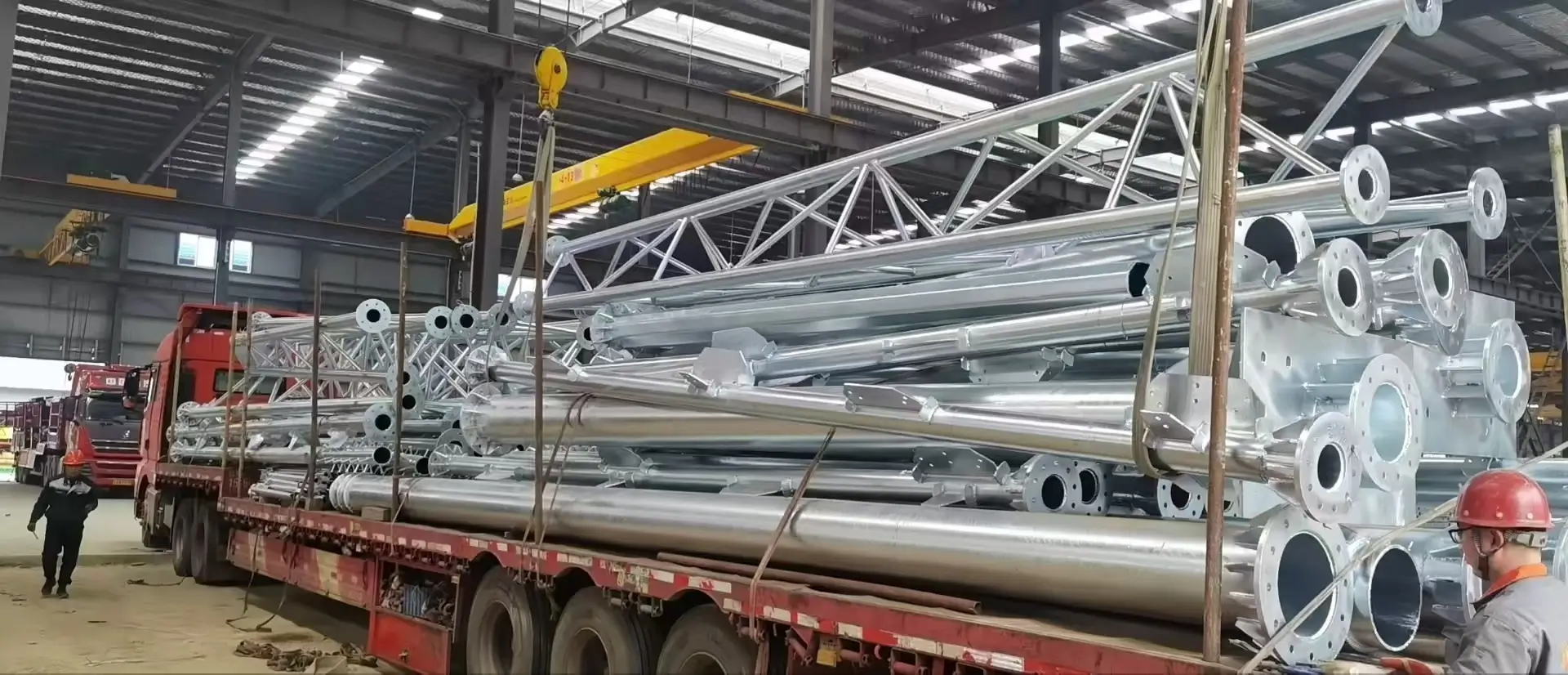
The most useful purchase is the one that matches the road before it matches the spreadsheet. For bridge guardrail, start with the beam profile and site condition, then lock the post type, coating, accessories and packing method. A standard galvanized package is often the best value when it fits the drawing, while bridge approaches, curves and custom safety sections deserve a closer product match before the shipment is loaded.
Another useful buying habit is to separate emergency repair material from planned construction material. Emergency stock should favor standard bridge railing, Thrie-beam guardrail, W-beam guardrail that can be installed quickly. Planned construction can include more exact coating, post and terminal requirements because the buyer has time to review drawings before production.
For overseas orders, the clearest communication is a line-by-line product schedule. List beam panels separately from posts, spacers, terminal ends, bolts and special fabricated parts. This helps the factory check quantities, prepare packing labels and reduce the risk of small accessories being overlooked during loading.
If the road owner already uses an older barrier system, replacement should begin with field measurements. Beam profile, hole spacing, post height and coating condition should be checked before ordering new material. This is especially important when W-beam and Thrie-beam sections meet near a bridge or curve.
Buyers who keep distributor stock should balance fast-moving products with selected project parts. W-beam panels and common posts may move first, but terminals, spacers, blockouts and bolts make the inventory more useful for contractors who need to finish installation without mixing hardware from different sources.
A final pre-shipment review should be practical. The buyer does not need a complicated report for every order, but photos of production, coating inspection, packed bundles, accessory cartons and loading sequence give enough evidence to compare the shipment with the agreed product list.
When coating requirements are unclear, it is better to decide before production than after loading. Hot-dip galvanized guardrail products should be reviewed for surface coverage, drainage exposure and storage time. The posts and accessories need the same attention as the visible beam panel.
For mixed road safety projects, using one coordinated factory channel can reduce mismatch between product families. Guardrails, bridge railings, sign posts and custom galvanized fittings may be different items, yet they often share coating, packing and delivery requirements that should be planned together.
The lowest apparent cost is useful only when the barrier still fits the road. Many buyers save more by choosing a standard galvanized system with the right accessories and keeping a small spare stock ready before the next repair window.
Another useful buying habit is to separate emergency repair material from planned construction material. Emergency stock should favor standard bridge railing, Thrie-beam guardrail, W-beam guardrail that can be installed quickly. Planned construction can include more exact coating, post and terminal requirements because the buyer has time to review drawings before production.
For overseas orders, the clearest communication is a line-by-line product schedule. List beam panels separately from posts, spacers, terminal ends, bolts and special fabricated parts. This helps the factory check quantities, prepare packing labels and reduce the risk of small accessories being overlooked during loading.
