

Get quote
Get Free Consultation!
We are ready to answer right now! free consultation.
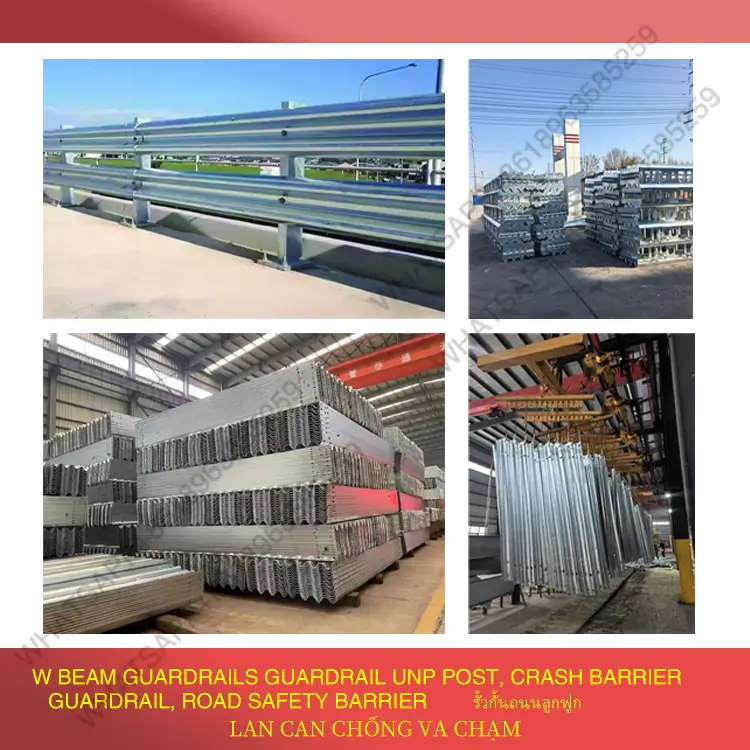
A W beam guardrail supplier should help buyers buy a complete roadside barrier package, not only a two-wave panel. This article is for contractors, distributors and engineering buyers comparing W-beam panels with posts, spacers, bolts, terminal ends, coating requirements and export packing. Beitong Hengda Traffic’s current product range includes W-beam and Thrie-beam guardrails, posts, spacers, bolts, terminal ends, bridge railings and related metal safety products, so the practical starting point is the guardrail product range and the project supply workflow.
The first decision is whether the order is a new run, a replacement section, distributor stock or a mixed road safety shipment. A buyer replacing old W-beam panels on a roadside project may need compatible hole spacing and post height. A distributor stocking mixed guardrail products may need common beams, accessory kits and packing labels. A contractor working on a bridge approach may need W-beam for the long run but Thrie-beam or bridge railing near the transition. These are different buying situations, even when all of them start with the same product name.
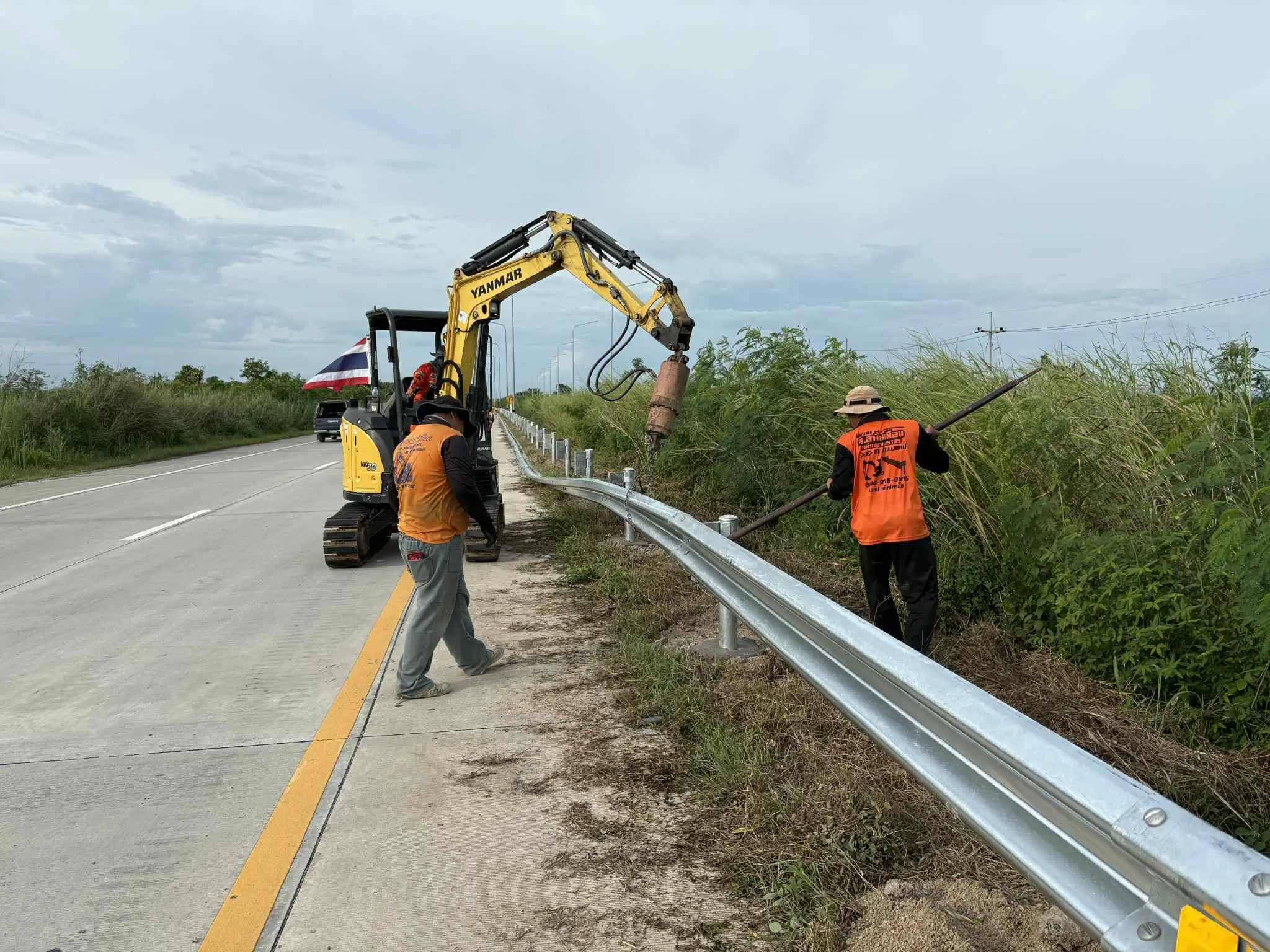
The simplest W-beam mistake is asking for panel price without defining the rest of the system. Beam panels need posts. Posts need holes, spacing and embedment or fixing details. Spacers and blockouts affect the beam position. Bolts and washers turn separate parts into an installable barrier. Terminal ends define how a run starts or finishes. If the supplier quotes only the visible rail, the buyer still has to solve the installation package later.
W-beam guardrail is a practical choice for many standard long roadside sections because the two-wave profile is familiar, repeatable and easy for crews to recognize. Beitong Hengda Traffic shows W-beam systems as part of its highway guardrail range, with hot-dip galvanized finish options and matched accessories. For long runs, the buyer should define panel quantity, post type, spacer requirement, terminal count and whether spare hardware is needed for maintenance. A clear run schedule helps the supplier pack the materials by section rather than as a loose pile of metal.
A road contractor ordering W-beam for a rural road upgrade may care most about consistent panels and posts across several kilometers. A distributor may care about easy resale of common parts. In both cases, the supplier should separate fast-moving standard beams from project-specific items such as terminals or special fittings. That makes warehouse receiving and site installation easier.
The site references U or C posts, guardrail posts, spacers, bolts and beam-to-post connections. A buyer should not leave these items vague. The post shape affects installation rhythm. The spacer or blockout affects how the beam sits away from the post. The bolt set affects whether the crew can assemble the run without searching for extra hardware. When a W beam guardrail supplier asks about post type and accessories before quoting, that is a useful sign that it is thinking about the barrier as a field system.
The most expensive mistakes often appear after the goods arrive. A panel may be correct in shape but wrong for the existing post line. A bundle may contain the right number of beams but the wrong accessory mix. A galvanized surface may be acceptable at production but scratched by poor handling. A serious supplier conversation should reduce these risks before the order leaves the factory.
Replacement projects are not the same as new installations. Existing posts may be bent, installed at inconsistent heights or built to an older detail. A buyer replacing old roadside barriers should send photos, approximate dimensions and information about the current post line. If only the beam panels are replaced, the new rails still have to connect properly. When the old system is uncertain, a complete beam-post-spacer package may be safer than a panel-only order.
This is also where W-beam should be compared with Thrie-beam or bridge railing transition parts. If the replacement area is near a bridge approach, curve or high-risk section, the buyer should not automatically repeat the old W-beam layout. The manufacturer can only help with that judgment if the buyer describes the site instead of asking for a generic panel quote.
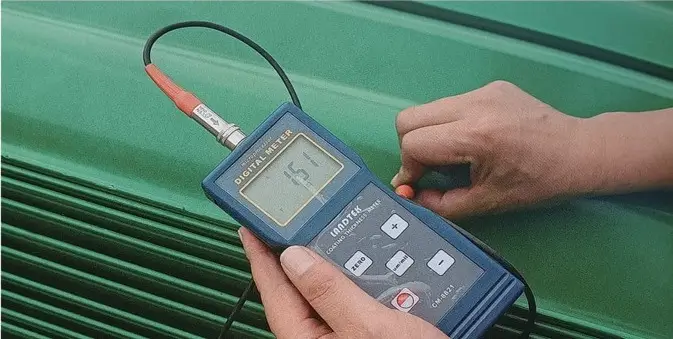
Beitong Hengda Traffic highlights hot-dip galvanized coating and batch checking before delivery. For W-beam orders, coating is tied to handling. Panels are long, stacked and moved several times before installation. The buyer should ask how galvanized panels, posts and accessories will be bundled, how visible surfaces will be protected and how cartons or small hardware will be labeled. A packed bundle that looks organized can save real time when the receiving crew is unloading under pressure.
Distributor stock should be built around predictable product movement. Standard W-beam panels and common posts may move quickly, but terminals, spacers, bolts and washers make the stock useful. A buyer who stocks only beam panels may still lose orders when contractors need a complete roadside set. The supplier should help the distributor build a package that includes common beams and enough accessory depth for realistic replacement or small project orders.
For stock orders, labels matter. A distributor should be able to identify which terminal ends belong with W-beam, which bolts match the beam-to-post connection and which spacers are intended for the current product group. Beitong Hengda Traffic’s broader range includes guardrail accessories, terminal ends, bridge railing and crash cushion parts, so the buyer should ask for packing groups that prevent similar-looking small parts from being confused.
A contractor buying spare material for a project should think by road section. Spare panels for a long shoulder run, terminals for run ends and bolts for beam splice areas should be grouped according to likely field use. The manufacturer can help only if the buyer explains whether the order is for warehouse stock, project completion or emergency replacement. That distinction changes quantities and packing priorities.
Maintenance buyers often order under time pressure. A truck hits a roadside barrier, a municipality wants to replace damaged panels before a holiday period, or a contractor needs to finish a small safety repair before road opening. In these cases, the W beam guardrail supplier should help the buyer avoid two opposite mistakes: ordering only a few panels without hardware, or ordering a full new system when compatible replacement parts would be enough.
For repair work, a clear photo set is more useful than a long product description. The buyer should show the damaged beam profile, post condition, spacer or blockout, terminal area and nearby splice holes. If the posts are straight and compatible, the order may focus on panels and bolts. If posts are bent or the old hardware is incomplete, the buyer should consider posts, spacers and terminal parts at the same time. Beitong Hengda Traffic can supply W-beam guardrails and related accessories, but the replacement decision still depends on what the site photo shows.
Small orders create a different problem from large highway packages. The freight and handling effort may be similar, but the tolerance for missing parts is lower because the crew may have only one repair window. Terminal ends, splice bolts, post bolts, washers and a small allowance for site loss should be checked before the shipment is released. For a municipal buyer, one missing carton can delay a short repair just as badly as a missing bundle delays a long road project.
Some maintenance orders combine common W-beam repairs with a bridge approach or transition section. The supplier should label W-beam panels, W-beam terminals and W-beam hardware separately from Thrie-beam or bridge-related fittings. The buyer should ask for this separation before loading because it is much easier to organize at the factory than at the roadside. This is one practical reason to review the full guardrail product range before placing even a smaller W-beam order.
A small road agency may not have a specialist guardrail warehouse. The buyer may be ordering for a crew that will receive the shipment and install it quickly. In that situation, the supplier should help turn the purchase into repair kits: W-beam panels for the damaged run, posts if the old posts cannot be reused, spacers or blockouts, splice bolts, post bolts, terminal ends and a simple packing label. The kit does not need to be fancy. It just needs to be clear enough for the crew to open the right bundle first.
For Beitong Hengda Traffic, this kind of order can connect W-beam guardrail with the same accessory families shown across the guardrail product range. The buyer should avoid mixing unrelated road safety products into the kit unless the site requires them. If the repair also touches a bridge approach, then Thrie-beam or bridge railing parts should be listed in a separate section of the order rather than hidden inside the W-beam count.
W-beam is important, but it should not be forced into every safety problem. Beitong Hengda Traffic also lists Thrie-beam panels, bridge railings, roller barriers, crash cushion parts and low-deflection safety barrier products. These alternatives matter when the site has a bridge approach, restricted shoulder, curve guidance problem or end-treatment concern. A reliable W beam guardrail supplier should be willing to explain when another product family belongs in the same order.
At bridge approaches, the barrier line often changes from roadside guardrail to bridge railing or a stronger transition. A buyer should review whether W-beam remains suitable through the approach or whether Thrie-beam, bridge railing or special transition parts are needed. This does not mean every bridge area needs the same product. It means the supplier should see the approach as a system and not as a simple repeat of the long roadside run.
| Order type | Main W-beam decision | Extra product to define |
|---|---|---|
| New roadside run | Panel, post, spacer and bolt set | Terminal ends and spare hardware |
| Replacement section | Compatibility with old posts and hole layout | Photos and field dimensions |
| Distributor stock | Fast-moving beam and post sizes | Accessory labeling and warehouse grouping |
A good purchasing file for W-beam guardrail should show the road section, beam profile, post route, spacer or blockout detail, terminal requirement, coating need, accessory list and packing plan. If the buyer can send that file before approval, the supplier can quote the real order rather than a partial product. For Beitong Hengda Traffic, this is the most practical way to use the site’s guardrail range: start with W-beam, add the connection parts, and check whether nearby road sections require another safety product before production begins.
