

Get quote
Get Free Consultation!
We are ready to answer right now! free consultation.
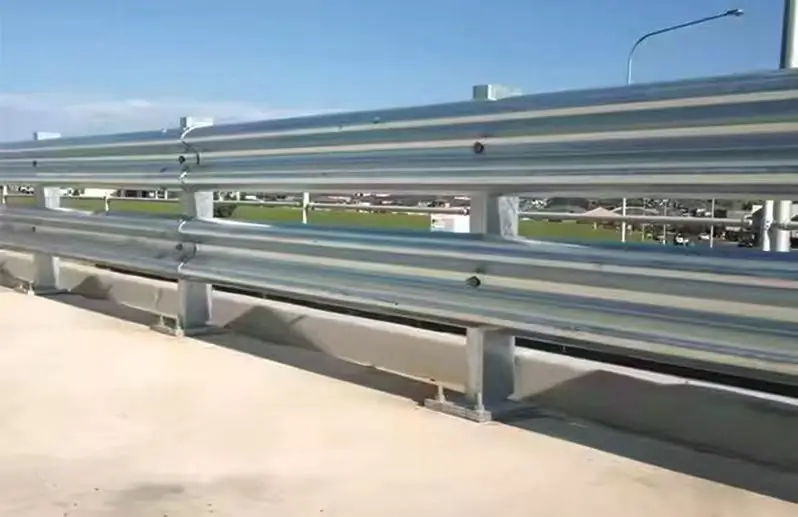
A Thrie beam guardrail manufacturer is most relevant when the buyer is working near bridge approaches, heavier traffic transitions, medians, sharper curves or sections where a standard two-wave rail may not be the right choice. The buyer should first confirm why a three-wave beam is needed, then check posts, transition parts, terminal ends, bolts, galvanized finish and packing groups. Beitong Hengda Traffic lists W-beam and Thrie-beam guardrails, bridge railings, crash cushion parts, low-deflection barriers and special formed parts, so this topic should be handled as a transition-zone purchase rather than a simple beam-panel order.
The main risk in this keyword is overuse. Some buyers hear that Thrie-beam looks stronger and then try to apply it everywhere. A more practical approach is to map the project: standard shoulder run, bridge approach, curve, median, end treatment and replacement area. Thrie-beam may be valuable in selected zones, while W-beam remains practical for long repeated runs. That split should be made before the buyer asks a manufacturer for a price.
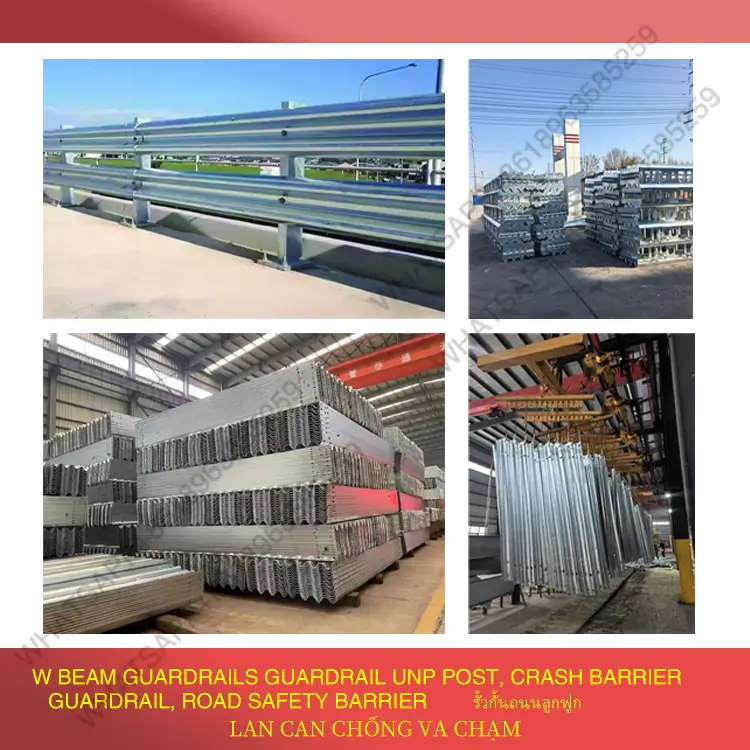
Thrie-beam guardrail often appears where the barrier system changes in risk, height, connection or working width. A bridge approach is a common example. The road may move from a long roadside run into a bridge railing, concrete edge or special transition. The manufacturer should ask how the Thrie-beam panel connects to the adjacent system. If the order does not define that connection, the buyer may receive good steel that still does not solve the approach problem.
The three-wave profile provides wider rail coverage than a W-beam panel. That can be useful where the road condition requires a stronger or more continuous barrier face. Buyers should still avoid treating this as a universal answer. The section drawing should show whether Thrie-beam is used for an approach, a transition, a higher-risk shoulder, a median or a local replacement zone. The manufacturer then needs to align beam panels, post details and hardware with that exact purpose.
A contractor replacing older bridge approach guardrail may not know whether the existing system is W-beam, Thrie-beam or a mixed transition. Before asking for production, the buyer should send photos of the old beam profile, post line and connection to the bridge rail. If the existing hardware is incomplete or inconsistent, a complete replacement package may be safer than trying to order only a few beam panels.
Beitong Hengda Traffic’s product range includes bridge railings and custom metal safety parts. That matters because Thrie-beam selection can depend on the bridge railing connection. A bridge edge, railing post, terminal area or low-deflection section may require special attention before fabrication. The buyer should ask the manufacturer to review the approach as one package: Thrie-beam rail, posts, connection hardware, terminal treatment and any related bridge railing parts.
Fabrication approval should not rely on the product name alone. The buyer should verify beam profile, panel length, hole pattern, post choice, accessory list, coating requirement and packing plan. If the project references a standard such as AASHTO M180, the buyer should still send the project-specific drawing because the standard term does not replace the actual road layout or transition detail.
Hole pattern and post spacing are small details until they stop an installation crew. Thrie-beam sections can appear near transitions, so mismatched holes or missing connection parts become more disruptive than they would be on a simple stock order. The buyer should confirm whether the project uses standard posts, reinforced posts, special connection plates or a transition to bridge railing. These details should be frozen before production begins.
For distributor stock, the same issue appears in another form. If Thrie-beam panels are stocked without the correct bolts, spacers and terminal connectors, the material is harder to sell into a real project. A distributor should ask the manufacturer to pack Thrie-beam accessories separately from W-beam accessories and label each group clearly.
Beitong Hengda Traffic lists hot-dip galvanized finish options and project packing support. For Thrie-beam orders, the galvanized surface and accessory grouping should be reviewed together. Heavier sections, transition parts and custom fittings may be stacked differently from standard W-beam panels. Small hardware should not be buried under beam bundles. A receiving crew should be able to identify which bolts, spacers and terminal parts belong to the Thrie-beam section.
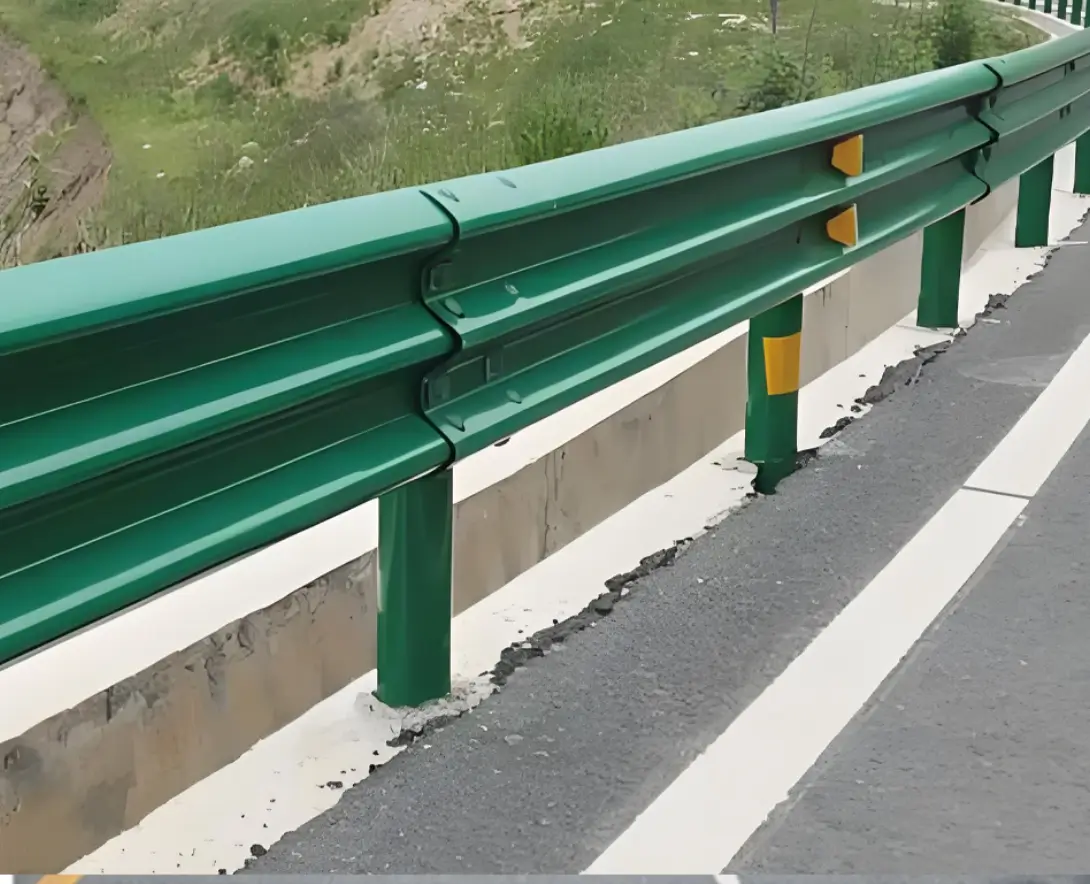
Tender files often use product names in a short way, but fabrication needs more detail. A buyer may see “Thrie beam guardrail” in the bill of quantities while the drawing shows a connection to bridge railing, a special post line or a terminal condition. Before production, the manufacturer should review the tender language beside the drawing and the accessory list. If those documents do not agree, the buyer should resolve the conflict before approving the order.
On a real road, W-beam and Thrie-beam may meet within the same approach. The changeover point should not be guessed from a quantity table. The buyer should mark where the W-beam run ends, where the Thrie-beam panel begins and what hardware connects them. If bridge railing follows the Thrie-beam section, the drawing should also show that connection. Beitong Hengda Traffic’s project supply support is most useful when the buyer sends this kind of section information early.
Repair buyers should not assume that an old approach barrier used the same dimensions as the new specification. The existing posts, beam height, hole positions and terminal treatment may have changed during previous maintenance. The safest request includes photos, approximate measurements and a note explaining whether the buyer wants a like-for-like replacement or a revised approach package. That distinction changes how the manufacturer prepares beam panels, posts, bolts and transition fittings.
Thrie-beam transition orders can include fewer pieces than long W-beam runs, but each piece may be more dependent on sequence. The receiving team should be able to identify which panels, posts and fittings belong to the approach before they are taken to site. Packing by section, not only by product type, helps the installation crew follow the drawing. This is especially important when the shipment also includes W-beam panels, bridge railings or crash cushion components.
A distributor may want Thrie-beam panels in stock because bridge approach repairs and heavy-traffic sections can require quick supply. That stock is useful only when the related parts are managed carefully. The distributor should not place three-wave panels in the same warehouse group as standard W-beam material without clear labeling. Posts, spacers, bolts, transition connectors and terminal pieces should be identified so sales staff do not offer an incomplete package to a contractor.
This is also where product education matters. A buyer calling for Thrie-beam may actually need a bridge railing transition, a W-beam continuation, a crash cushion component or a custom formed part. Beitong Hengda Traffic’s range gives the distributor several products to compare, but the distributor still needs to ask where the material will be used. Stocking the stronger-looking beam without the surrounding system can create slow-moving inventory and disappointed project buyers.
A practical stock note can solve many of these conversations. The distributor can mark Thrie-beam inventory as bridge approach, median transition or heavy-traffic repair material, then keep W-beam stock in a separate roadside-run group. When a contractor asks for a quick supply, sales staff can ask whether the job connects to bridge railing, requires terminal treatment or replaces a damaged transition. Those questions keep the order tied to a real road condition instead of a rail profile alone.
If the answer is unclear, the distributor should pause the quotation and ask for a road section photo or drawing note before confirming the material route.
A mixed highway package may include W-beam for long runs, Thrie-beam for transitions, bridge railings for structure edges, terminal ends for starts and finishes, and crash cushion parts for high-risk end zones. The manufacturer should help the buyer keep those products separated by road function. If the package is packed only by product type, the site team may spend extra time sorting parts before installation.
A curve may need better vehicle guidance and visibility. A median may need consistent separation over a long distance. A bridge approach may need a transition into railing or a restricted working width. Thrie-beam may be part of these situations, but the reason for using it changes. Buyers should write the reason into the order file so the manufacturer can understand whether the product is chosen for profile coverage, transition matching or replacement compatibility.
Hardware confusion is a real procurement problem. A buyer may have W-beam bolts in stock and assume they can support every guardrail job. That is risky around Thrie-beam transition sections. The safest order file names the bolts, spacers, connectors and terminal ends that belong to the Thrie-beam package. If the buyer is unsure, the manufacturer should ask for drawings or photos before confirming the accessory list.
Thrie-beam guardrail is valuable when the road condition calls for it, but it is not automatically the most economical or practical answer for every section. Long standard shoulders may be better served by W-beam guardrail. Urban pedestrian areas may need city guardrails or wire mesh fence. Restricted end zones may need crash cushions or special parts. A manufacturer that understands the full product range should help buyers separate these use cases rather than pushing one rail profile across the whole project.
In many road packages, W-beam and Thrie-beam can both appear. The buyer should decide where each profile belongs and ask the supplier to pack them by section. If W-beam is used for long shoulder runs and Thrie-beam is used near bridge approaches, the packing list should make that split obvious. The goal is not to buy the strongest-looking rail. The goal is to buy the barrier system that fits each road zone and can be installed without guesswork.
| Project zone | Product route to compare | Approval detail |
|---|---|---|
| Long shoulder run | W-beam guardrail package | Panel, post, spacer, terminal and coating requirement. |
| Bridge approach | Thrie-beam guardrail with transition planning | Connection to bridge railing and terminal treatment. |
| Restricted or high-risk end area | Crash cushion, low-deflection barrier or special formed parts | Working width, end condition and drawing review. |
A clean Thrie-beam purchase should end with a section-by-section file. It should show where the three-wave beam starts and ends, which posts and hardware belong to it, how it connects to bridge railing or W-beam, what galvanized finish is required and how the parts should be packed. That file gives Beitong Hengda Traffic or any manufacturer a practical route to check the order before fabrication and loading.
