

Get quote
Get Free Consultation!
We are ready to answer right now! free consultation.
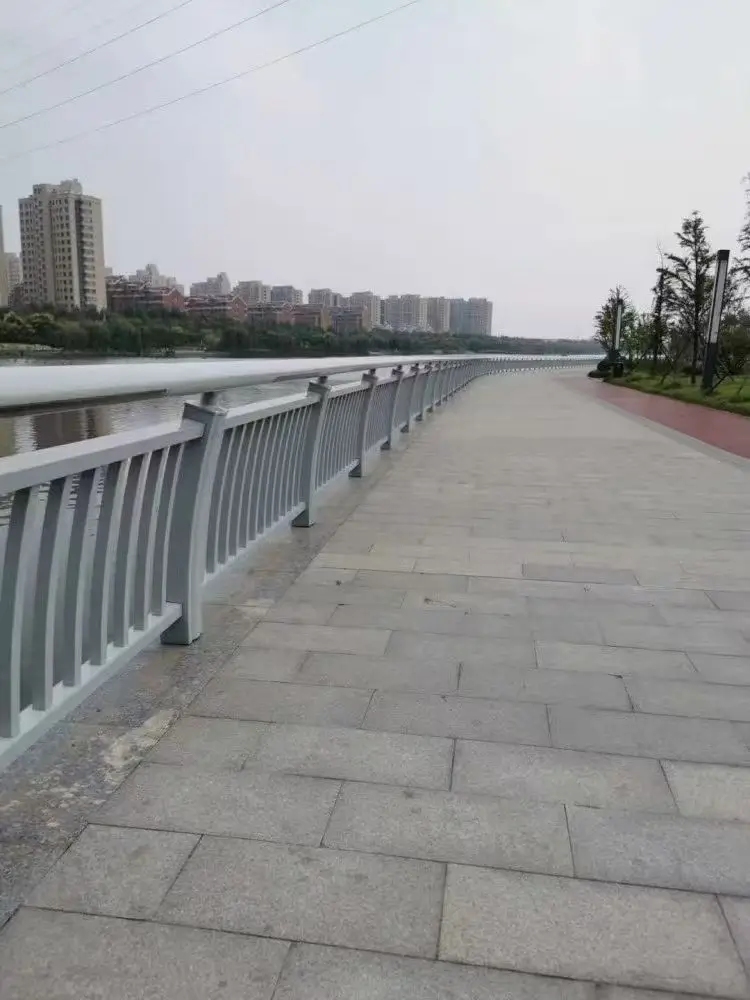
A scenic area guardrail has to protect movement without making the location feel like an industrial road shoulder. Park walkways, lookout platforms, riverside paths and bridge approaches need different metal safety products, so the buyer should begin with the exact edge condition and the type of people using the space.
Beitong Hengda Traffic lists pedestrian guardrails, city guardrails, wire mesh fence, bridge railings, sign boards and other metal safety products. That range is useful when a scenic project has several zones: a pedestrian path, a water edge, a bridge approach and a small road entrance may each need a different product family.
The first handoff from the design team to procurement should define where the guardrail is visual guidance, where it is boundary separation and where it is part of a bridge or roadside safety system. Without that split, buyers may overuse one product type and create either unnecessary cost or insufficient protection.
Confirm the site condition, the main product family, the support or connection details, the surface finish and the accessory list before comparing offers for scenic area guardrail.
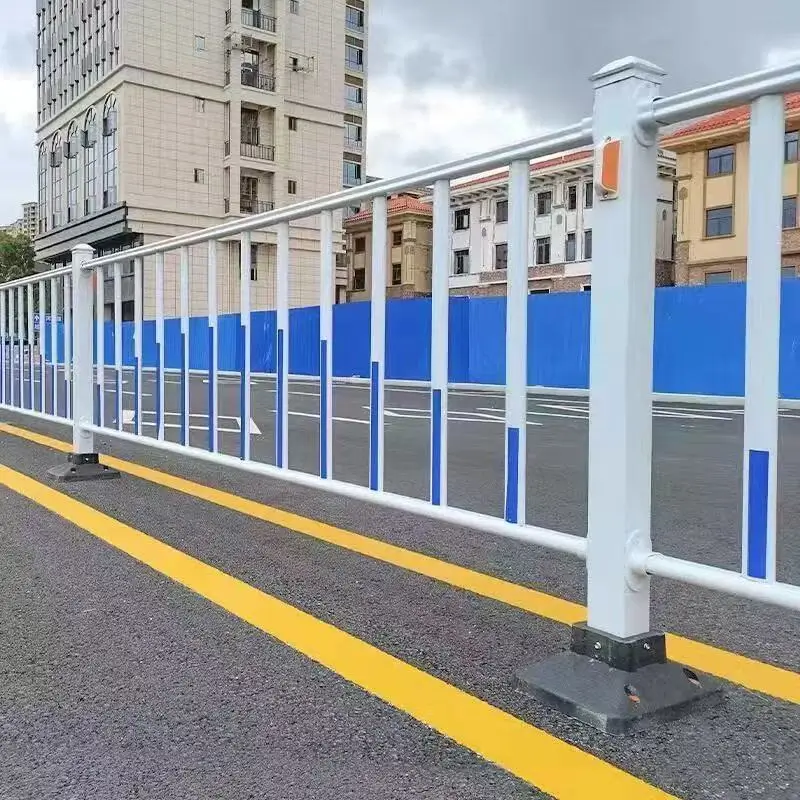
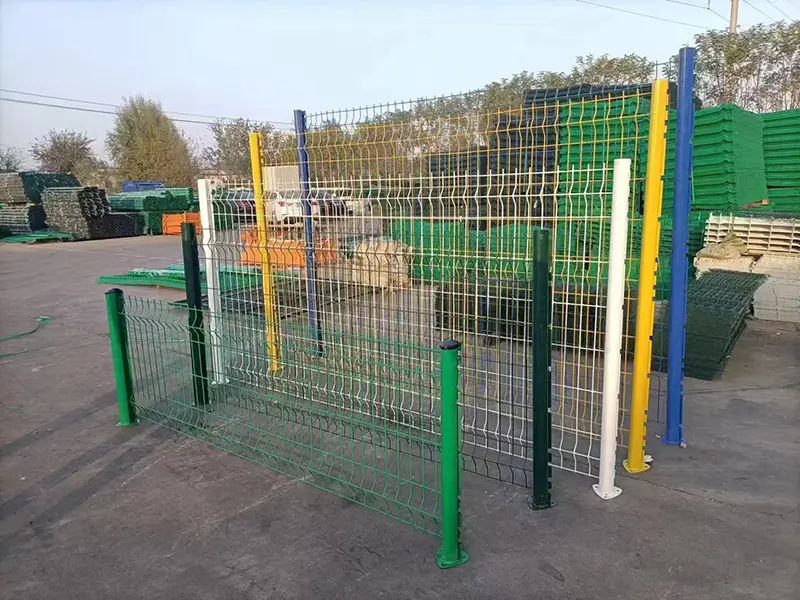
For a riverside scenic path, the buyer may combine pedestrian guardrails in visitor areas with wire mesh fence along longer service boundaries. The guardrail should be reviewed for panel height, post fixing and surface finish, while the fence should be reviewed for mesh strength and maintenance access.
At a lookout beside a small access road, traffic signs and guardrail sections may sit near pedestrian rails. The buyer should coordinate sign boards, posts, bridge railings and rails so installation teams are not forced to adjust holes, brackets or packing groups after delivery.
scenic area guardrails, pedestrian guardrails, wire mesh fence and bridge railings should be treated as connected project items when they appear on the same bill of materials. The buyer should check whether one item controls another. For example, a support structure can decide the fixing hardware, while a barrier or fence section can decide how much space is left for signs, posts or maintenance access.
The useful technical details in this order are not abstract. Buyers should review guardrail panel, post spacing review, wire mesh panel option, bridge railing section and galvanized or coated finish before price comparison. These details affect whether the product can be installed cleanly, bundled safely and matched with nearby road safety products.
| Buyer situation | Product or detail to review | Practical fit |
|---|---|---|
| Visitor walkway | Pedestrian guardrail | Balances visible guidance and open sightlines. |
| Long boundary | Wire mesh fence | Controls access over a longer line with simpler panel repetition. |
| Bridge or height transition | Bridge railing | Better fit when the edge condition is structural and continuous. |
A careful buyer should turn scenic area guardrail into a short technical conversation before approving the order. The conversation does not need to be complicated, but it should include where the product will be used, how it will connect to nearby metalwork, whether the finish is galvanized or coated, and how accessories will be grouped. This is especially useful for Beitong Hengda Traffic orders because the product range covers both road safety products and wider metal infrastructure items.
The first practical detail is guardrail panel. If that detail is wrong, later checks become less useful because the main product may already be mismatched to the site. A buyer can reduce this risk by sending a drawing, site photo or simple layout note before production. When the product is a replacement item, the old part should be identified by structure and installation position, not only by a casual name used on site.
post spacing review and wire mesh panel option should be checked together. Many field problems happen when the main product is correct but the support, connection or adjacent part was selected separately. For example, a sign board needs a pole and bracket system, a pedestrian barrier needs a suitable post layout, a sheet order needs surface and edge protection, and a bridge railing needs a transition plan near the approach barrier.
The buyer should also decide how bridge railing section affects the project. Outdoor road and infrastructure products are exposed to handling, weather and installation abrasion. Hot-dip galvanized parts, zinc steel guardrails, coated sheets and tower components need surface protection during bundling. The finish is not only a visual detail; it influences storage, unloading and how much checking the receiving team must do before installation.
When scenic area guardrails ships with pedestrian guardrails or wire mesh fence, the packing list should separate main parts from accessories. Small hardware should be traceable to the product family it belongs to. This helps a distributor resell mixed stock and helps a contractor avoid opening every bundle on a busy site just to find brackets, bolts, base plates or other small parts.
The order should name the products that should not be treated as substitutes. scenic area guardrails may solve the main problem, but bridge railings or traffic signs may be a better fit in a different zone of the same project. A buyer who separates these zones early can avoid overusing one product type and can keep the order closer to the real road, bridge, park, workshop or utility condition.
For inspection, the buyer should ask for checks that match the product. For scenic area guardrails, that may include visible surface condition, hole or connection location, product grouping and accessory matching. For sheet material, edge condition and bundle protection matter. For towers, drawing-based fabrication and member grouping matter. For guardrail and barrier products, beam, post, terminal or transition parts should be reviewed as a system.
Delivery planning should consider where the goods will be opened. A distributor warehouse needs clear labels and separable bundles. A road contractor may need products grouped by section so the site team can unload near the correct location. A workshop buying galvanized sheets may care more about bundle stability and edge protection. These details are operational, but they often decide whether a technically acceptable order feels easy or difficult to use.
Receiving inspection should be planned before the shipment arrives. The buyer can ask the receiving team to check labels, bundle count, visible surface condition, loose accessories and whether scenic area guardrails has been separated from unrelated items. This is not paperwork for its own sake; it prevents field crews from discovering missing or mixed parts only when installation time has already been booked.
A useful purchasing file can be built with five items: product name, site use, drawing or photo, finish requirement and accessory list. If several Beitong Hengda Traffic product families are being bought together, add a sixth item: how the products should be grouped for packing. That simple file gives the supplier a better chance to catch mismatches before production and gives the buyer a clearer record for receiving inspection.
For repeat buyers, the same file can become a practical ordering standard. Distributors can use it to build stock codes, contractors can use it to compare suppliers, and engineering teams can use it to hand over site requirements without losing small details. The point is to make every scenic area guardrail order easier to check, receive and install.
Beitong Hengda Traffic’s broader range includes highway guardrails, city guardrails, sign systems, bridge railings, tower structures, galvanized sheets and special safety parts. A buyer does not need every product in every order, but knowing the range helps decide whether a single shipment can cover the practical site package.
When scenic area guardrails appears near bridge railings, the buyer should review spacing, installation sequence and whether accessories are packed in separate labeled groups. This is especially important for contractors who receive the goods at a temporary yard and then move products to different site sections.
For scenic area guardrails, inspection should focus on the parts that installation crews will notice first: hole position, fitting match, surface condition and whether small hardware is packed with the correct main product. A clean packing list is part of quality control because a missing bolt set can delay installation as much as a visible product defect.
If the order includes galvanized or coated products, surface protection should be reviewed before loading. Hot-dip galvanized guardrail parts, coated sheets, urban rails and tower members can all be damaged by careless stacking. Buyers should ask for product groups to be bundled in a way that protects visible surfaces and keeps accessories traceable.
The most common mistake is buying by product name while ignoring the job the product must do. scenic area guardrail may be the correct target phrase, but the real order should still define location, structure, finish, hardware, packing and related products. That is how buyers avoid receiving a correct item that is still wrong for the site.
Another mistake is asking several suppliers for isolated prices and then trying to combine parts later. When scenic area guardrails must work near pedestrian guardrails or wire mesh fence, compatibility matters. The buyer should compare the full package, not only the lowest unit price for one line item.
A final risk is overusing one product family. City guardrails should not replace highway crash barriers. Sheet material should not be treated like finished roof panels. A portable barrier should not be used where a fixed barrier belongs. The order should match the site condition, not the easiest catalogue label.
For export or long-distance delivery, the buyer should request photos or documents that show product grouping, bundle labels and key inspection points before shipment. This does not replace the project drawing, but it gives the purchasing team a practical record of what was checked before the goods left the factory.
Useful related reading includes Pedestrian Guardrail Supplier Guide for City Roads and Public Areas, City Guardrail and Fence Options for Municipal Roads, Pedestrian Areas and Parks, Wire Mesh Fence for Riverside and Boundary Safety Projects. These links help buyers compare nearby product families without repeating the same topic.
A useful purchase brief for scenic area guardrail should be short but specific: product family, site condition, drawing or photo, finish requirement, accessory list, packing preference and the other products that may ship together. That brief gives the supplier enough context to check the order instead of only quoting a name.
For buyers comparing Beitong Hengda Traffic’s product range, start with the product family that matches the real site problem, then add related items only when they support installation. A sign order may need poles and guardrail accessories. A city project may need rails, fence and signs. A sheet order may need separate packing by material type. That is the difference between buying a product and buying a usable project package.
