

Get quote
Get Free Consultation!
We are ready to answer right now! free consultation.
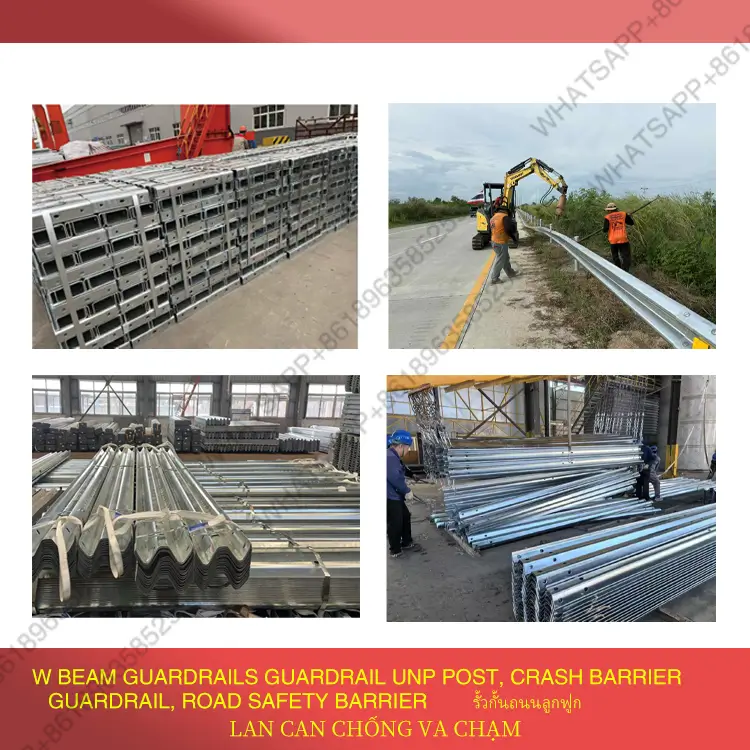
A highway guardrail manufacturer is useful to a buyer only when the order is treated as a complete roadside safety system. Contractors, distributors and engineering buyers usually need more than beam panels. They need W-beam or Thrie-beam rails, posts, spacers, bolts, terminal ends, coating requirements, packing groups and shipment records that match the road section. On this site, the most relevant starting point is the W-beam and Thrie-beam guardrail range, followed by the project supply workflow for drawing review, inspection and loading coordination.
The first purchasing question is not whether a supplier can produce metal guardrail. The first question is whether the manufacturer can help the buyer separate standard roadside runs, bridge approaches, curves, replacement sections and accessory kits before production begins. Beitong Hengda Traffic presents itself as a factory-direct supplier of W-beam guardrails, sign poles, bridge barriers, fittings and galvanized steel materials, with hot-dip galvanized finish options, custom size support and batch inspection before delivery. Those are the facts that can be used when planning a guardrail order; anything beyond that should stay inside the project drawing or buyer specification.
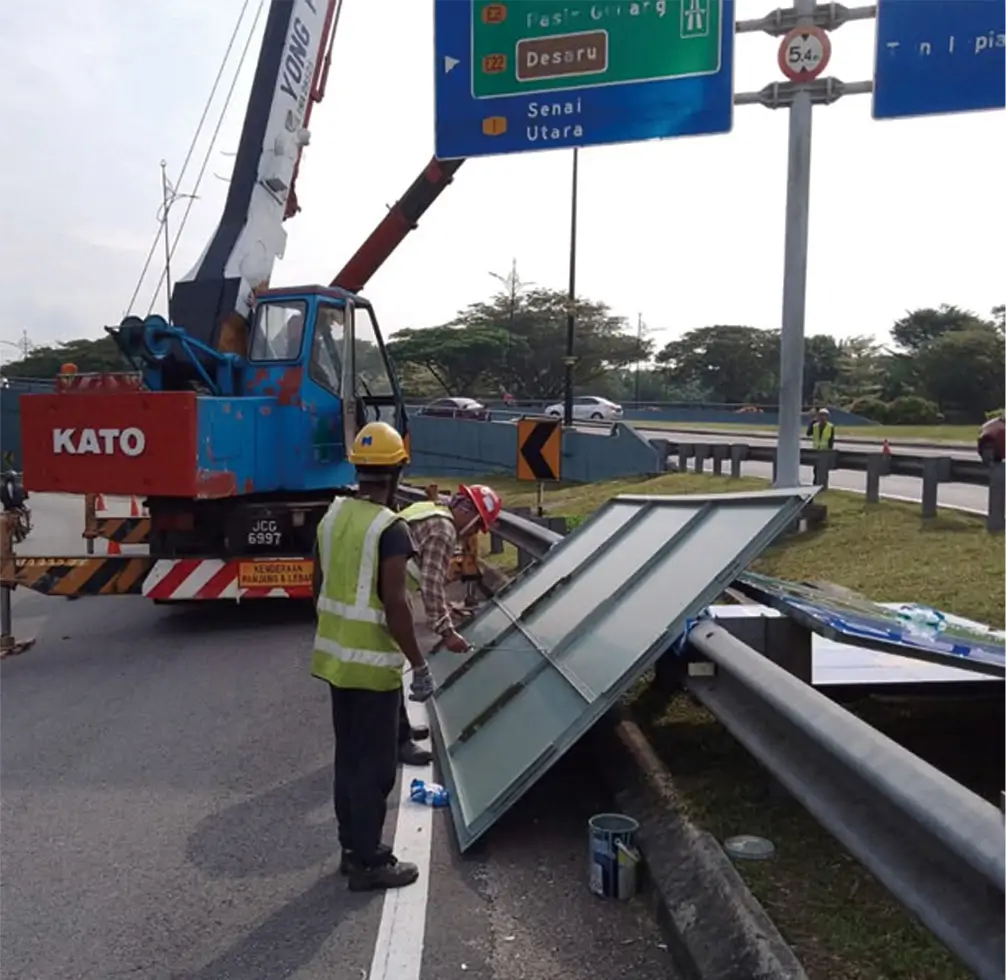
Many buyers first ask for “highway guardrail” as if it were one product. In real procurement, that phrase may include beam rails, posts, blockouts, terminal ends, transition pieces, bolts and sometimes bridge railings or crash cushion parts. If the buyer sends only a product name, the manufacturer may quote a beam panel that does not cover the full job. A better request separates the road into practical zones: long shoulder runs, median sections, curve sections, bridge approaches, end treatments and maintenance replacement areas.
For many highways and rural roads, W-beam guardrail is the familiar two-wave barrier profile. On the Beitong Hengda Traffic product range, W-beam panels are shown together with posts, spacers, bolts and terminals, so buyers should not treat the panel alone as the complete order. A contractor working on a long roadside run should confirm panel length, hole pattern, post type, bolt set and galvanized finish before asking for final pricing. If the installation team later discovers that the beam and post spacing do not match the drawing, the factory price will not matter much because the field delay becomes the real cost.
A distributor stocking guardrail material has a different concern. Stock buyers may buy common beam panels in advance, but they still need terminals, spacers and bolt kits nearby. When Beitong Hengda Traffic ships guardrail bundles for export, the useful receiving record is not only the number of panels. It should also show whether the accessories were packed with the correct barrier family. This is where a manufacturer with project packing experience can reduce confusion for the receiving warehouse.
Thrie-beam guardrail is a three-wave profile and is often discussed for heavier traffic sections, bridge approaches or transition zones. The buyer should not use it only because it looks stronger; the choice has to match the road condition and the connection plan. If a project includes a bridge railing, low-deflection barrier or special end treatment, the manufacturer should review the transition details before fabrication. Beitong Hengda Traffic’s current product range includes Thrie-beam guardrail, bridge railings, crash cushion parts and special formed parts, which gives a buyer enough product coverage to discuss the whole approach area rather than one rail shape.
A contractor should compare manufacturers by the questions they ask before production. A serious order review should ask for the road section, beam type, post choice, coating requirement, hardware list, drawing or sample, packing preference and destination handling condition. A manufacturer that only asks for quantity may still be able to quote, but the buyer loses the chance to catch mismatched accessories or incomplete barrier sections early.
Posts control beam height and installation rhythm. Spacers or blockouts affect the beam-to-post connection. Terminal ends affect the start and end of the guardrail run. These parts should be reviewed as one system, not as separate commodity lines. The current site product pages mention W-beam panels, Thrie-beam panels, U or C posts, spacers, bolts and terminal ends. Those terms should appear in the buyer’s bill of materials so the manufacturer can prepare compatible groups instead of mixing parts from different assumptions.
A maintenance buyer replacing old roadside barriers should be even more careful. Salvaged or older roadside material may have different hole positions, post heights or coating condition. The buyer should send photos and dimensions of the existing section. The manufacturer can then help decide whether the project needs only beam replacement, a full beam-post-hardware set or a transition section that connects new and old components more cleanly.
The Beitong Hengda Traffic site references AASHTO M180, Class A and Class B zinc coating, hot-dip galvanized finish options and coating process control. These details are useful only when the buyer connects them to a project drawing or specification file. A phrase such as AASHTO M180 should not replace beam profile, thickness class, coating class, post type or hole layout. If the tender has its own standard language, the buyer should send that file before production approval so the manufacturer can align the material, coating and packing record with the expected inspection route.
Coating also affects handling. Hot-dip galvanized guardrail panels can still be scratched or stained if they are stacked carelessly. For export orders, the buyer should ask how panels, posts and accessories will be bundled and labeled. A packed bundle photo, a coating inspection photo and a loading photo are practical evidence for purchasing teams, especially when the goods will be received by a different crew overseas.
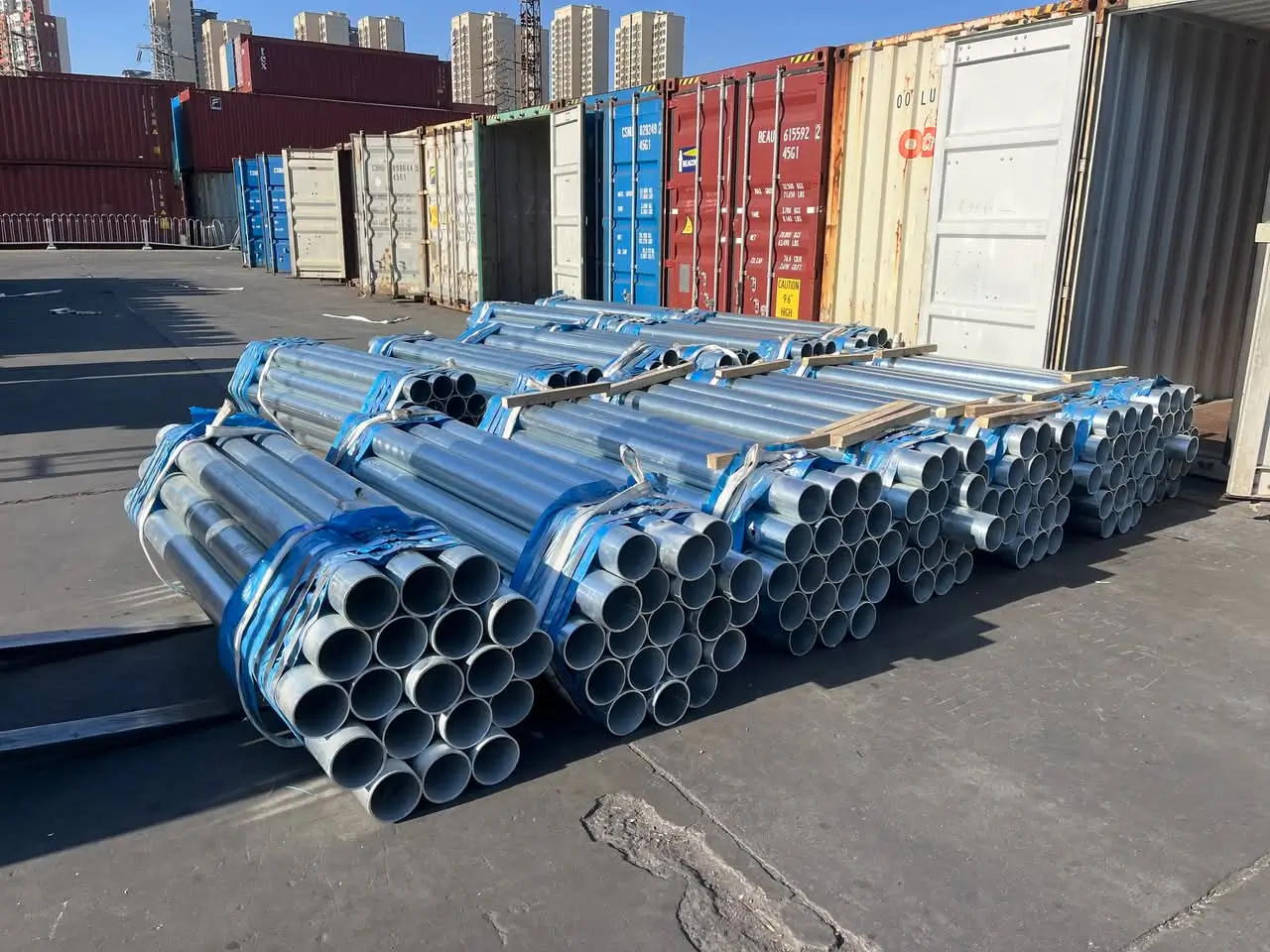
The site’s confirmed product range covers highway guardrails, roller barriers, city guardrails, traffic sign systems, bridge railings, power tower structures, PPGI and GI sheets, crash cushion parts and special shaped components. For the keyword highway guardrail manufacturer, the strongest match is the W-beam and Thrie-beam guardrail system. The related products matter because real road projects rarely stop at one beam run. Bridge approaches may need railing transitions. Sign areas may need sign poles. End sections may need terminals or crash cushion parts. Distributors may need accessory kits and replacement stock.
Beitong Hengda Traffic states factory direct supply, custom size and drawing support, inspection before delivery and export coordination. A buyer should turn these claims into a single order file: drawing or section list, quantity by product family, coating requirement, packing group and destination. If the order includes W-beam panels, posts, bolts and terminal ends, the file should tell the factory which parts belong together. If it includes bridge railings or sign support material, those should be separated into their own section so the loading plan remains clear.
A highway guardrail manufacturer should not push W-beam panels into every safety problem. A curve with visual guidance needs may justify roller barrier discussion. A narrow bridge approach may need Thrie-beam, bridge railing or low-deflection barrier review. A pedestrian area may need city guardrails or wire mesh fence rather than roadside crash barrier. A buyer who explains the road condition gives the manufacturer space to recommend the correct product family instead of quoting the easiest item.
| Buyer situation | Products to review | Why it matters before ordering |
|---|---|---|
| Long highway shoulder run | W-beam panels, U or C posts, spacers and bolts | The buyer needs a complete repeatable barrier set, not loose beam panels. |
| Bridge approach or transition zone | Thrie-beam guardrail, bridge railing, terminal parts and special fittings | The connection between products affects installation and project acceptance. |
| Distributor replacement stock | Common beams, terminal ends, bolts, spacers and packing labels | Stock is useful only when the accessory kits are traceable. |
Export buyers usually have two teams involved in the same order. One team approves the purchase file before production; another team receives the goods after the container arrives. The second team may never have joined the original technical discussion. For that reason, the manufacturer record should be easy to read without a long explanation. Bundle labels, accessory cartons, beam counts, post counts, terminal counts and loading photos help the warehouse match the shipment to the road section.
Beam panels can be counted visually, but small hardware is easier to lose track of. Bolts, washers, spacers and terminal fittings should not be treated as minor extras. A highway guardrail manufacturer shipping W-beam and Thrie-beam material together should mark the accessory cartons by product family. If a distributor opens the container and cannot tell which hardware belongs to the three-wave transition and which belongs to the standard two-wave run, the first installation day becomes slower than it needs to be.
Photos cannot replace the project specification, but they are useful receiving evidence. A buyer can ask for visible coating condition, bundle arrangement and loading order before the shipment leaves. This is especially helpful for orders that include guardrail panels, posts, bridge-related parts and crash cushion components in one container. The record gives the purchasing manager a practical way to answer warehouse questions without opening every bundle immediately.
For a contractor sending material directly to a remote road site, the loading order can also reduce site handling. If the first unloaded bundles are the panels for the opening road section, while terminal parts and bridge approach fittings are clearly marked, the installation team can begin with less sorting. This is a small practical detail, but it is the kind of detail that separates a usable highway guardrail shipment from a simple metal sale.
Start with the road section, then choose the beam family. After that, define posts, spacers, bolts, terminals, coating and packing. This order of thinking helps a contractor avoid buying a strong beam with the wrong connection parts. It also helps a distributor decide whether the shipment is for immediate project use or for warehouse stock.
The minimum file should include a drawing or road section note, beam type, post type, coating class, accessory list, quantity split and packing preference. If the buyer has an existing specification, include it. If the project is a repair job, include site photos and measurements. If the shipment is for export, ask for packing and loading records before the goods leave the factory. These steps do not make the order complicated; they make the manufacturer comparison fair.
For Beitong Hengda Traffic, the buyer can begin with the guardrail range, then compare project supply information and manufacturer background. The right supplier conversation should end with a product package that an installation crew can understand: W-beam or Thrie-beam panels, matching posts, spacers, bolts, terminal ends, coating requirement and packing groups. If the manufacturer can keep those details aligned from quotation to loading, the buyer has a stronger basis for choosing it.
